How to Integrate Smart Meters with an Existing Building System
In sub-metering, new construction projects are linear: installation takes place from a blank slate. Integrating smart meters with an existing building system, on the other hand, is a different story.
Retrofit metering projects for energy, water, gas and HVAC offer strategic opportunities to expand your portfolio, but they can come with a mountain of more variables that can open up technical, financial and operational challenges down the road.
Here are key insights for how to approach this work, which you should consider before jumping into a project.
Site Audit for Retrofit Sub-Metering
A site feasibility audit is absolutely essential when retrofitting an existing building system with new smart meters. The primary goal is to minimize the gap between how the system is specified and what your team discovers once the work begins.
Confirming Critical Variables Upfront
Not every legacy system is capable of a standard sub-metering upgrade. Expect old technology and proprietary communications to create obstacles. Also, be prepared in case you find incompatibility.
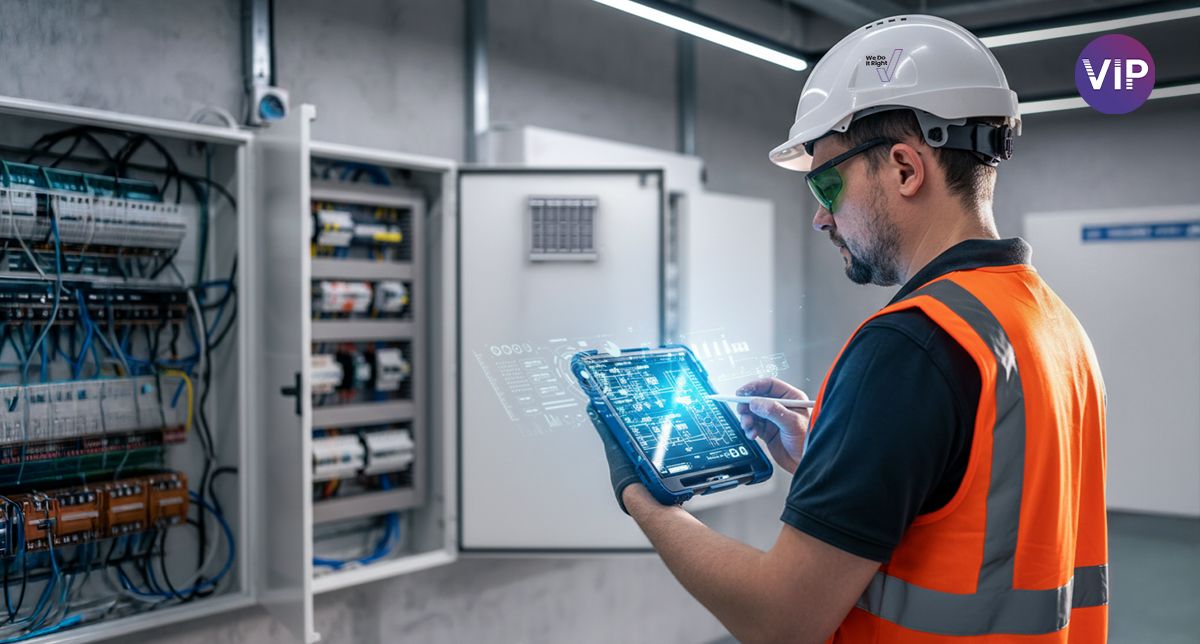
A site audit includes a thorough review of the electrical system, space constraints, building materials, utility infrastructure, compatibility and limitations of current network systems.
Electrical Systems
Confirm voltage, amperage, and phase configuration of existing building electrical systems with requirements for new smart energy meter panels and connections. Crucially, identify if legacy Current Transformers (CTs) are present and whether they match the input ratios of your modern metering gateways.
Space Constraints
Assess physical space limitations on new smart meter equipment. Can wire terminations be accessed easily? Can the system be tapped safely without a shutdown? Do electrical closets have the real estate for multi-phase meters?
Building Layout
Map building layout and materials that may impact smart meter communications. Metering point distance and materials such as thick concrete walls or steel-reinforced floors can impede or block a standard wireless mesh network.
Network Infrastructure
Evaluate existing network tools. Does the building have existing internet backhaul (Ethernet/Cellular) available? Will new conduit or cabling need to be run?
Current System Protocols
Determine whether current building systems are based on open protocols or locked within proprietary comms. Either the meters will need to be integrated into a new head-end system, or the network will need to support newer smart utility meters. Can these barriers be worked around, or will you need to rip and replace?
Keep Commercial Unit Retrofits Delay-Free
When scoping a mixed-use retrofit, it is easy to focus entirely on the high volume of residential suites. However, overlooking the ground-floor commercial or retail units is a common pitfall that can derail your entire project schedule.
Consequences of Delay
Commercial units in older buildings often run on different loads and larger capacities than residential suites. If you treat these as an afterthought, you can miss the window for a smooth installation.
The "Shutdown" Risk
Installing commercial smart meters late in the game often requires a full building power shutdown to safely tap into larger bus bars. This is a massive headache for the building owner and disrupts active business tenants.
Integrating commercial load sizes into the initial engineering audit helps ensure high-capacity developments are prepped without requiring a shutdown.
Ensure Metering Accuracy Before Inspections or Commissioning
Your installation team should not use inspections for quality control.
In electrical metering retrofit projects, the S-E-04 inspection is required by Measurement Canada before a system can be used for consumption billing.
If an inspector flags a reversed CT, loose wire or upside-down unit, you face immediate project delays and additional re-inspection fees.
Step-by-Step Verification
With existing system integrations, it is critical to ensure accuracy at each step of a smart meter installation. Teams should be verifying accuracy and proper configuration both in the physical unit install as well as the network integration and communication.
Learn how VIP Meter Services uses real-time management tools to keep projects on track at our blog post here
"Pre-Commissioning" Check
Your installation partner should offer an internal audit before a hand-off that confirms CT directionality, voltage input accuracy, data logging continuity, and platform compatibility. The system should be proven functional for billing operations before commissioning it.
Stop Burning Technician Hours on Smart Meter Integrations
Your strength is in operations and billing. Don’t get bogged down in reverse-engineering a 20-year-old system. Effective retrofits leverage expertise in smart metering design.
VIP Meter Services relies on project managers who are actual engineers to survey your site. We provide a comprehensive design package within 10 days, including:
- Wireless vs. wired infrastructure maps.
- Sub-metering equipment placement.
- Equipment specifications and installation instructions.
- Network specifications for data backhaul.
- Custom workarounds for legacy equipment compatibility.
Request Your Metering Design Package